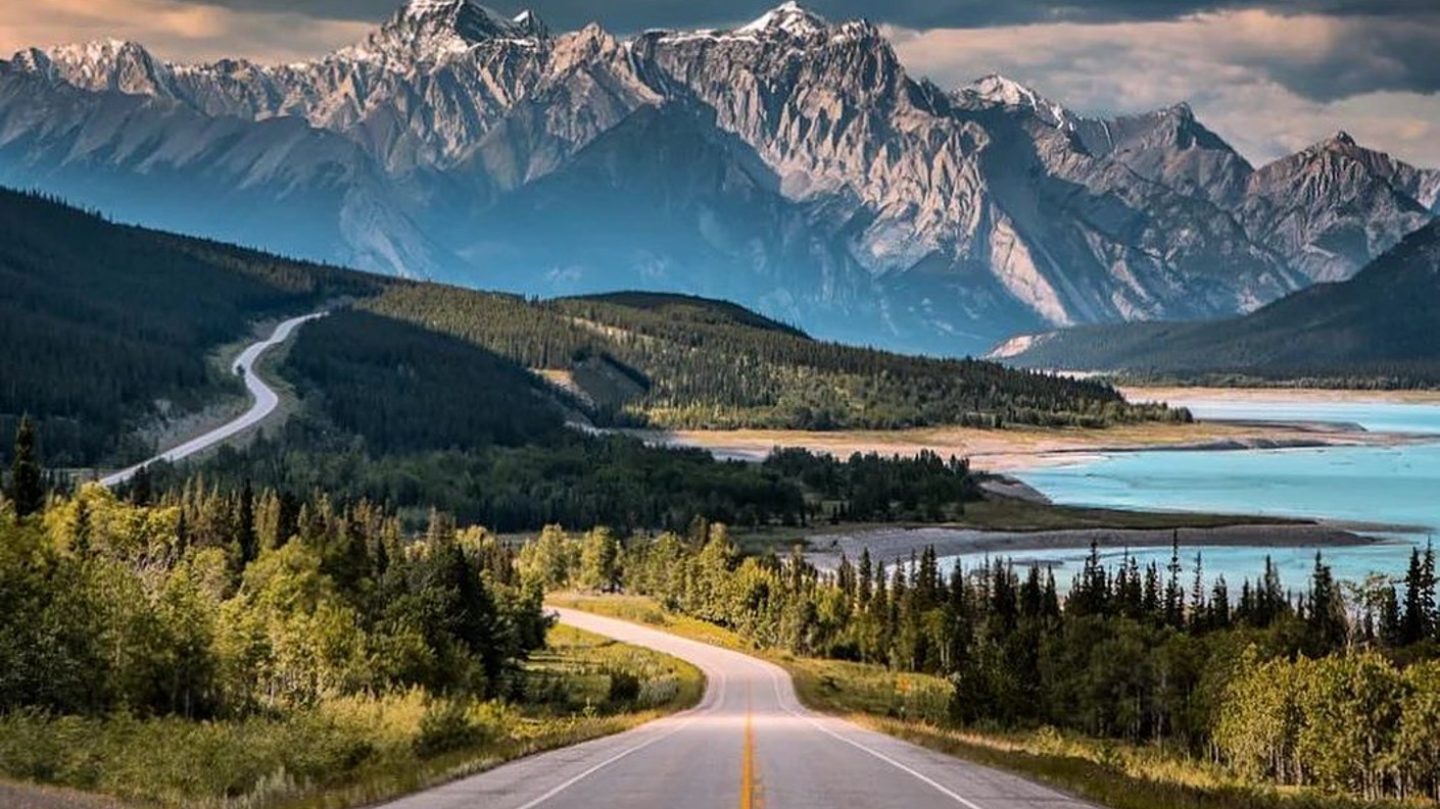


After 9 tours, I have meanwhile covered around 22,000km in my quest to cycle around the world alone and unsupported.
When I am cycling, I don’t listen to music or audio books. I stopped this years ago while cycling through Canada. Also, I don’t wear a watch. Why would I? The concept of time is very much reduced to the position of the sun in the sky when you are out there in nature: morning, noon, afternoon, and evening.
As a traveler, I am in the moment. I jokingly refer to it as my “ Brokkoli mode”. There are no great thoughts running through my mind. Most of it is Maslow level 1 & 2: water and food (physiological) as well as shelter (safety).
However, this year fragments of a model kept circulating in my mind.
How can you actually describe an adventure? Clearly, perceptions are different and yet there are different kinds of them.
I would like to argue, that you can classify any adventure by two dimensions. The first one are the possible consequences of a mistake along the way.
These possible consequences are often a function of the context you are in. Here is an example:
When you cycle in Western Europe and forget to top up your water you typically stop at a nearby shop and just buy it. But what if there is no shop because you are in the Canadian prairies? And also no clean water in reach because everything is muddy? And what if your water purifier stopped working yesterday?
Then small mistakes start to potentially have large consequences from mildly unpleasant to potentially lethal.
That is one element of what makes a so-called adventure a real adventure.
Let’s assume there were four levels. With this we could stipulate the following risk clusters.
Level 1: Everyday Risk
- Trying out a new restaurant
- Getting to know new people
- Cycling to work
Level 2: Mild Risk
- Riding a single trail in the mountains
- Cycling across Canada during wildfires
- Asking strangers for help and trusting them
Level 3: Significant Risk
- Traveling into a war zone
- Hiking through a desert alone
- Cycling into Istanbul during rush hour
Level 4: Lethal Risk
- Free solo mountain climbing
- Base jumping
- Solo expeditions into unknown territory
So far, my tours did not exceed level 2, I would say. Of course, members of my family would argue otherwise but that is largely due to asymmetric information. I have a pretty good connection to my own fear and it prevents me from risking too much. On the other hand, I avoid avoid letting it control me too much.
The second dimension is the type of fun that an adventure represents. I learned this scale from the British adventurer Charlie Walker during an interview in my podcast “Leaders Talk”.
He argued that there are three types of fun:
- Type A: You enjoy it while you do it and also remembering it – e.g. cycling along side the Danube with a travel companion.
- Type B: You don’t enjoy it while you do it but you enjoy remembering it – e.g. getting caught by a tornado in the prairies.
- Type C: You neither enjoy it while you do it nor when remembering it – e.g. having a severe accident with lasting consequences.
So far, all of my adventures luckily fell into categories A and B. I had no major injuries nor did I make severely negative experiences with people along the way.
Just to be clear: That’s not on me. I am very thankful that so far, it turned out that way. And I am fully aware that it can change any time.
But here is the key point: things can go wrong at any risk level, really.
You can get hit by an opening door of a parked car while cycling to work (level 1). A friend of me died in such an event.
Or you can ride a single trail in the mountains like you have done hundreds of times (level 2). However, this time due to bad luck you fall and now you are paralyzed like it happened to my friend Thorsten.
Or you travel to Kiev during a Russian military offensive (level 3) and come back unharmed.
What happens when we expose ourselves to danger?